Common Myths About Anxiety Awareness
4 min read
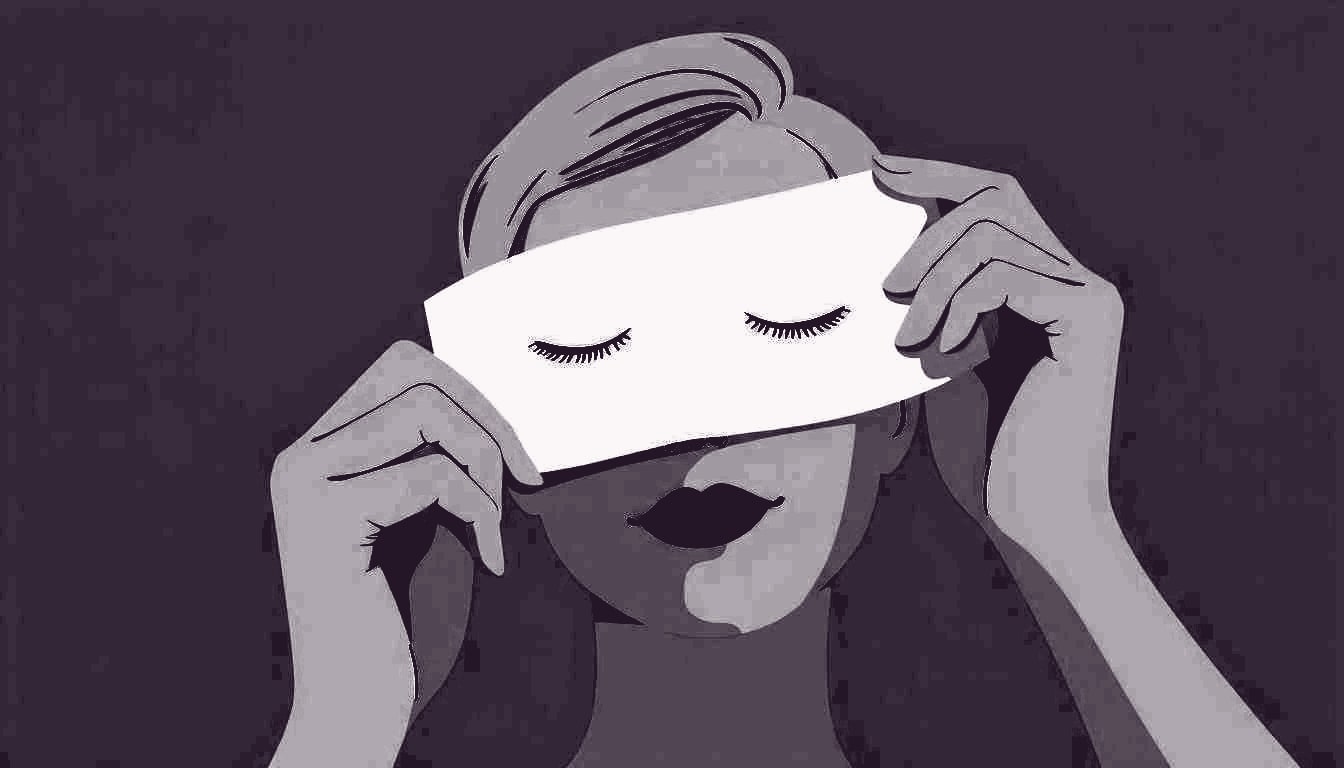
Many people hear the word anxiety and think they already know its meaning. The truth is that anxiety can look very different for each person. Some people feel a tight chest, others feel a racing mind. It can come and go, or stay for weeks. Because it changes so much, it is easy for myths to grow around it. Understanding the facts helps clear the confusion. It also affects daily choices.
Below we look at five common myths about anxiety awareness. Each myth sounds simple, but the reality is more nuanced. We will replace the false ideas with clear, plain facts that psychologists use in everyday practice. The goal is to give you a realistic picture of how anxiety works. Knowing the truth can reduce worry and help you notice when professional help might be useful. You can use this knowledge in everyday life.
Myth 1: Anxiety Is Just Being Nervous
Some people say anxiety is the same as feeling nervous before a test or a speech. Nervousness is short, tied to a clear event, and usually fades after the event ends. Anxiety can last much longer, sometimes days or weeks, and it may not have a single obvious trigger. It can appear during quiet moments, at night, or while doing routine tasks. The longer duration makes it more than a brief flutter.
When anxiety becomes a regular pattern, it can affect sleep, appetite, and concentration. You might find it hard to fall asleep or stay asleep. You may eat more or less without meaning to. Simple tasks like reading or driving can feel harder. These changes show that anxiety reaches into many parts of life, not just a moment of nervousness before a big event. It can also lower your mood.
Myth 2: Only Weak People Feel Anxious
A common belief is that anxiety shows a lack of strength or courage. In reality, anxiety is a normal part of the brain’s alarm system. The system warns us when something might be dangerous or uncertain. That warning helped our ancestors survive. Today, the same system can become overactive, sending signals even when there is no real threat. Overactivity does not mean a person is weak; it is a biological response.
Many strong athletes, artists, and leaders also experience anxiety. They may feel it before a competition, a performance, or a big decision. The presence of anxiety does not stop them from succeeding. Instead, they often learn ways to manage the feeling. This shows that anxiety is not a sign of personal failure, but a common human experience that anyone can face. It can be a signal to prepare.
Myth 3: Anxiety Always Shows Up as Panic
Many think anxiety always feels like a racing heart, sweaty palms, and shortness of breath. Those signs belong to a panic response, which is one possible expression. Anxiety can also appear as quiet worry that sits in the back of the mind. It may feel like restlessness, an inability to relax, or a constant sense of being on edge. Some people notice only a vague feeling of tension without any physical flare-up.
Because anxiety can hide in many forms, it is easy to miss if you only look for obvious panic signs. That is why the site offers a short self-assessment. Anxiety awareness is one of several measurable patterns this site has a short self-assessment for. The questionnaire asks simple questions about thoughts, feelings, and daily habits. Your answers give a snapshot of how anxiety shows up for you, without any medical jargon.
Take a moment to explore your anxiety awareness with our short self-assessment.
Take the Anxiety Awareness testMyth 4: You Can Just Snap Out of It
Another myth says that a person can simply will anxiety away. Anxiety is linked to brain chemistry, learned habits, and life stress. It does not disappear by force of will alone. Trying to ignore it often makes the feeling stronger. The brain’s alarm system keeps sending signals until the underlying pattern changes. Changing the pattern usually requires new coping skills, support from others, or professional guidance. It is a gradual process, not an instant switch.
Professional help can provide tools that make anxiety easier to manage. Techniques such as deep breathing, grounding, and thought-reframing help calm the nervous system. In some cases, a doctor may suggest medication to balance brain chemistry. The key is to treat anxiety as a condition that can improve with consistent effort. Small steps each day add up to noticeable relief over time. You deserve support. It is okay to ask for help.
Myth 5: Anxiety Means Something Is Wrong With You
Some believe that anxiety signals a personal flaw or a broken mind. Psychologists view anxiety as a signal, not a verdict. It tells us that something feels unsafe, uncertain, or overwhelming. The signal can point to areas that need attention, such as sleep, relationships, or work stress. Seeing anxiety as a warning helps you respond with care instead of self-criticism. It does not label you as defective or broken. It is a normal human experience.
The signal can guide you toward healthier choices. You might try better sleep habits, regular exercise, or talking with trusted friends. Therapy can teach you ways to reframe anxious thoughts. Small changes often reduce the intensity of the feeling. Remember, feeling anxious does not mean you are broken; it means your brain is trying to protect you. With the right tools, anxiety can become manageable and less disruptive. You can build a calmer life.
Moving Forward
With these facts in mind, you can look at anxiety more clearly. Notice how it shows up in your daily life and remember that it is a common pattern, not a personal flaw. Using a short self-assessment can give you a quick picture of your current level of awareness. From there, you can choose simple steps or seek support.
Take a moment to explore your anxiety awareness with our short self-assessment.
Take the Anxiety Awareness test