How Conflict Response Shows Up at Work
4 min read
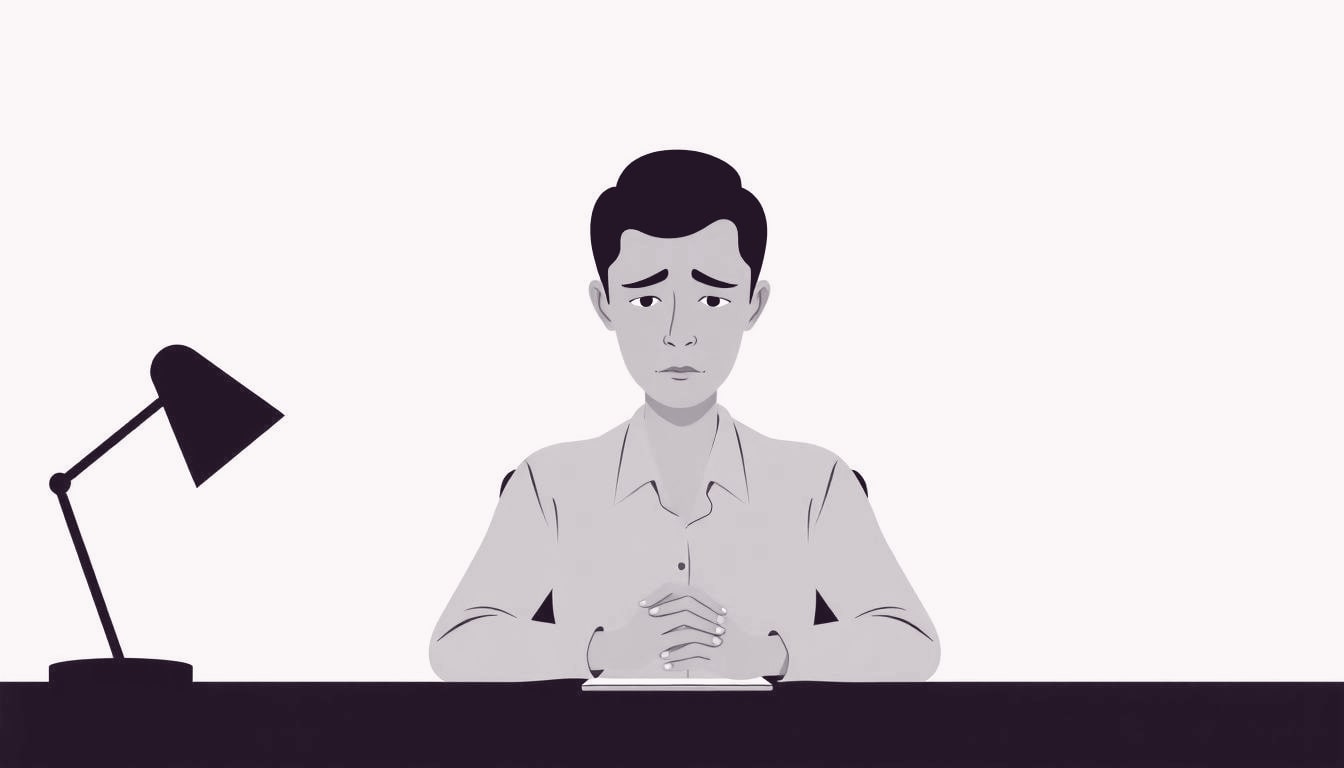
Conflict response is the way we act when we feel challenged or disagreed with. At work, this style can shape how we talk to teammates, how we handle pressure, and how we solve problems. Knowing your own pattern can help you use your strengths and reduce friction. It also lets you see why a colleague might react differently in the same situation. This article looks at three common workplace scenes. It shows both the good and the tough parts of each response style. You will finish with a simple practice you can try this week.
People often notice the outcome before they understand the process. A calm collaborator may appear easy to work with, while a more confrontational style can feel intense. Both approaches bring value. Calm collaborators tend to listen, ask questions, and keep the group focused. Confrontational types often push for quick decisions and expose hidden risks. When you recognize which side you lean toward, you can balance it with the needs of the task and the team. The next sections illustrate these dynamics in real work settings.
A calm collaborator in a team meeting
Imagine a weekly project meeting. The team is reviewing progress and a deadline is approaching. One member, Alex, stays calm even as others raise concerns. Alex listens, repeats key points, and asks for clarification. This keeps the conversation on track and reduces anxiety. The group feels safe to share ideas, and the meeting ends with clear next steps. Alex’s style helps the team stay organized and prevents arguments from spiraling.
The same calm approach can also create friction. When a deadline is tight, some teammates expect fast, decisive action. Alex’s tendency to gather input can be seen as slow or indecisive. A manager may push for a quick decision, and Alex’s pause can be interpreted as resistance. In this case, the strength of listening becomes a barrier to speed. The team may miss an early warning sign because the discussion lingered too long.
When a deadline looms
Sara works in a marketing department and has a big campaign launch in two weeks. Her manager, Lee, asks for a status update. Sara’s conflict response is direct and assertive. She points out the risks, names the missing resources, and proposes a new timeline. Lee appreciates the honesty and the clear plan. The team can reallocate staff and avoid a rushed rollout. Sara’s style cuts through uncertainty and moves the project forward.
The same direct style can cause tension if others feel blamed. A colleague who missed a deadline may see Sara’s comments as an attack. The colleague might become defensive, slowing collaboration. Lee could also interpret the assertiveness as challenge to his authority. In that moment, the strength of clarity becomes a source of conflict. The project may stall while emotions settle, and the team loses momentum.
Take the Conflict Response assessment to learn more about your style.
Take the Conflict Response testNavigating a disagreement with a peer
During a design review, Maya and Jordan disagree on the color palette for a new product. Maya prefers a bold, contrasting scheme, while Jordan favors a muted, brand consistent look. Maya’s conflict response is collaborative; she invites Jordan to sketch alternatives and asks for the reasons behind each choice. This openness leads to a hybrid design that satisfies both aesthetic goals and brand guidelines. Maya’s strength lies in building consensus and expanding creative options.
If Maya had pushed her idea without inviting input, the conversation could have turned sharp. Jordan might have felt dismissed, and the meeting could end with lingering resentment. Even with a collaborative style, too much discussion can delay decisions. The team may miss the deadline for the prototype, and the extra back and forth can drain energy. Recognizing when to move from exploration to commitment is a key balance for any conflict response.
One small step to try this week
Pick a meeting this week where you usually stay quiet or speak quickly. Before the meeting, decide to either ask one clarifying question or pause before giving your opinion. Notice how the change feels and how others react. This simple experiment lets you see the impact of a different conflict response in real time. It also gives you a chance to practice a new habit without a big risk.
Remember that conflict response is just one of several measurable patterns this site offers a short self assessment for. By learning your style, you can choose actions that fit your strengths and the needs of your team. Try the short assessment to see where you fall on the conflict response spectrum and get personalized tips for growth.
Balancing your style with team needs
Every workplace has a mix of conflict response styles. When you know your own pattern, you can look for partners whose strengths complement yours. If you tend to be calm and thorough, pairing with a decisive colleague can speed up decisions. If you are direct, working with a listener can help you see details you might miss. Teams that blend these approaches often finish projects faster and keep morale high. The key is to recognize when your natural response helps and when it might hold the group back. Ask for feedback after each meeting to refine your approach.
You can practice balancing your style by setting a small goal for each interaction. For example, decide to speak up in one meeting where you usually stay quiet, or to pause and ask a question when you would normally jump to a solution. Track how the change affects the conversation and your own comfort. Over a few weeks you will notice patterns and adjust accordingly. Small experiments build confidence and improve how you handle conflict at work. Celebrate any progress you see, no matter how small.
Take the Conflict Response assessment to learn more about your style.
Take the Conflict Response test