How Your Conflict Response Shapes Close Relationships
6 min read
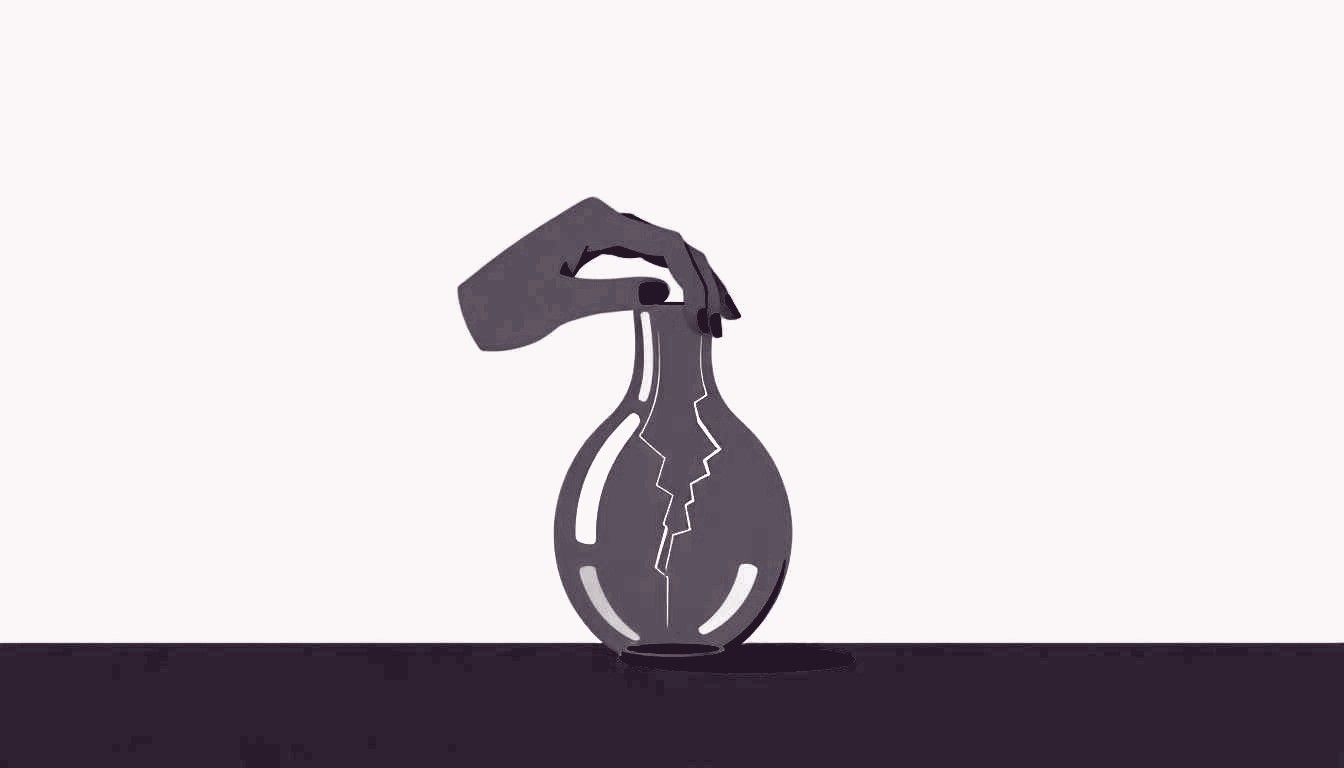
Every day we face small disagreements. The way we answer those moments is called our conflict response pattern. It shows up in the tone we use, the actions we take, and the thoughts that run through our mind. Whether we stay quiet, raise our voice, or try to find a middle ground, each choice creates a ripple that reaches the other person.
This pattern is not a fixed part of who you are. It can change as you learn new skills and notice old habits. By becoming aware of the habit you fall into, you open a door to choose a different, more supportive response. The change may feel small at first, but over time it can make your closest relationships feel safer and more satisfying.
When you notice a pattern, you can ask yourself: What am I feeling right now? What do I need from the other person? Answering these questions helps you move from a reaction to a response.
When a partner raises a concern
Imagine your partner says, “I feel like I’m not being heard when we talk about money.” One common response is to shut down, hoping the topic will disappear. Another is to argue, turning the conversation into a battle about who is right. A third option is to pause, repeat back what was heard, and ask how to work together. The first two reactions often leave both people frustrated, while the third invites understanding and joint problem solving. Notice which habit feels most familiar to you, and try the listening step the next time a similar concern comes up. When you try the listening step, you may notice the conversation staying on topic longer, and both partners feeling heard.
When a close friend disagrees about plans
A friend suggests meeting on Friday, but you already have a deadline. You might say, “No, I’m too busy,” and end the chat quickly. Or you could snap, “You always expect me to drop everything for you!” which can hurt the friendship. A calmer path is to acknowledge the conflict, share your schedule, and propose an alternative day. By showing that you respect the friend’s invitation while being honest about your limits, the conversation stays friendly. This pattern of quick dismissal or heated reaction can become a habit, yet it can be replaced with a brief pause and a collaborative suggestion.
Discover your own conflict response style by taking our quick self‑assessment now.
Take the Conflict Response testWhen a family member revisits an old argument
During a holiday dinner, a sibling brings up a past disagreement about who should have cared for a parent. The old pattern might be to walk away, refusing to engage, or to launch into a defensive rant. Both choices keep the tension alive. A different approach is to listen without interrupting, say, “I hear you’re still hurt,” and then share your own feelings in a calm voice. This does not erase the past, but it shows that you are willing to talk about it without blame. Over time, such a response can ease the family’s overall atmosphere.
How to shift your conflict response
Start by pausing before you speak. Take a slow breath, notice the feeling in your chest, and name it silently – anger, fear, hurt. Then ask yourself what you need from the other person. This short check‑in creates space between the trigger and your reply, allowing a more thoughtful answer.
Practice the new steps in low‑stakes moments first. Try the pause and reflective listening during a routine disagreement about chores or a text message tone. Ask a trusted friend for feedback on how you handled the exchange. Small successes build confidence for bigger conflicts.
Remember that change does not happen overnight. Celebrate small wins, like staying quiet for a few seconds before answering, or asking a clarifying question instead of assuming intent. Over weeks, these tiny choices add up to a new, healthier habit.
Measuring your response
Conflict response is one of several measurable patterns we explore on this site. A short self‑assessment can show you which style you tend to use most often. The results give you a clear picture and suggest simple exercises to try. Knowing your pattern is the first step toward choosing a different one when the next disagreement appears. You can use the feedback to set a weekly goal, such as practicing the pause technique in one conversation each day.
Discover your own conflict response style by taking our quick self‑assessment now.
Take the Conflict Response test