Why Do I Shut Down During Arguments?
5 min read
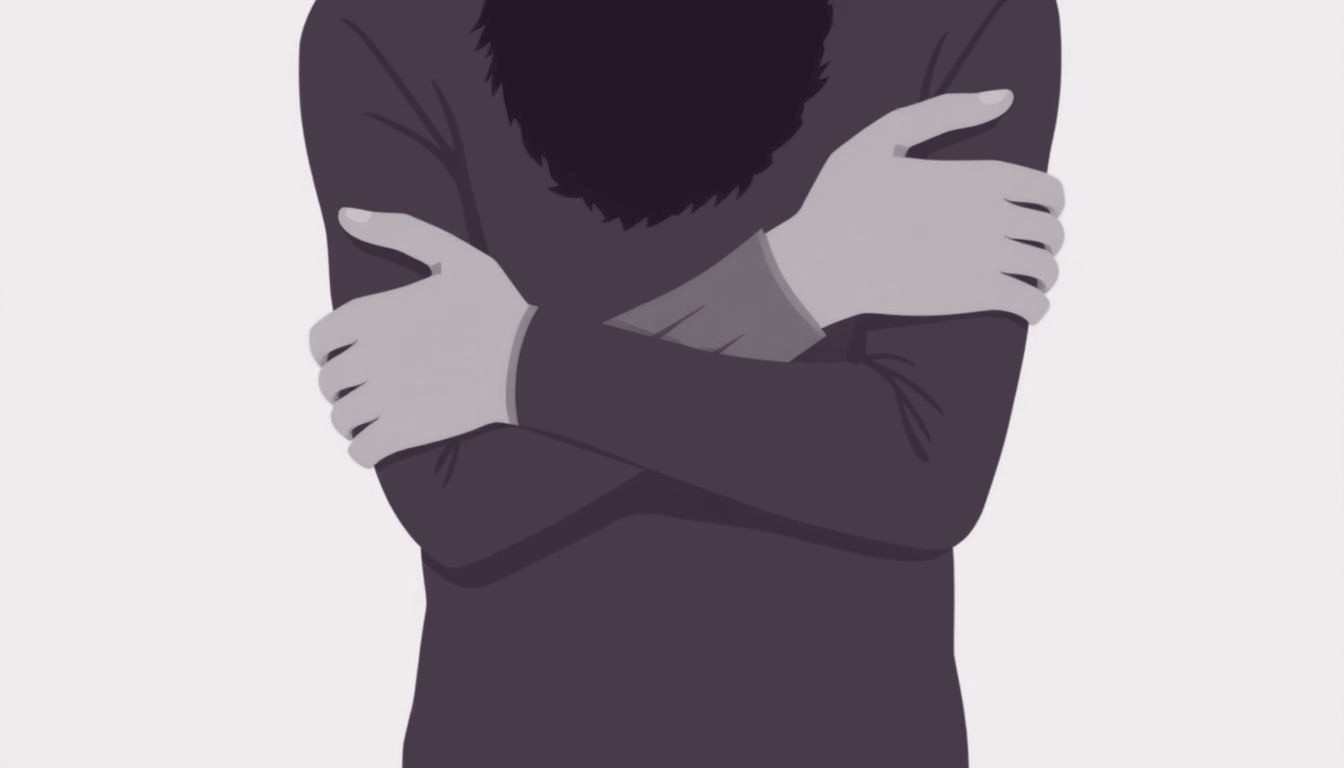
Arguments can feel like a sudden storm. One moment you are listening, the next you feel your thoughts stop and your voice fade. Many people call this “shutting down,” but it is more than a moment of silence. It is a way the mind tries to protect itself from overwhelm. When the brain senses that the conflict might be too intense, it can switch off the part that would normally speak up. Understanding this response can help you feel less alone and more in control.
Feeling frozen does not mean you are weak or selfish. It is a natural signal that your nervous system is asking for a pause. In a heated exchange, the body can release stress hormones that cloud thinking. Your heart may race, your muscles tighten, and your brain may choose to mute the conversation to avoid further strain. Recognizing that this reaction is a safety cue, not a moral failing, opens the door to learning new ways to stay present during conflict.
What Happens When You Shut Down?
When you shut down, the brain’s alarm system goes into a low-power mode. Speech centers receive less activation, so words become hard to find. You might feel detached, as if you are watching the argument from outside your own body. Thoughts can feel fuzzy, and you may want to withdraw physically or mentally. This is the body’s attempt to reduce the flood of emotional information that feels too big to handle at that moment.
Physically, you may notice a drop in breathing depth, a feeling of heaviness in the chest, or a sudden urge to look away. Some people describe it as a “blank screen” in their mind. The freeze response can also make you appear uninterested, even when you care deeply about the outcome. Because the reaction is automatic, you often cannot stop it once it starts, which can be frustrating for both you and the other person.
The Four Common Response Styles
Researchers often group conflict reactions into four patterns: fight, flight, freeze, and fawn. The fight style pushes forward with anger or assertiveness, trying to win the dispute. Flight pulls away, avoiding the clash by leaving the room or changing the subject. Freeze, or shut-down, pauses all activity as a way to stay safe. Fawn seeks to please the other person, hoping to smooth the tension by agreeing or giving extra support.
Each style has a purpose and can be useful in the right situation. For example, a short-term fight response might protect you from being ignored, while a quick flight can keep you out of physical danger. Freeze can give the mind a moment to regroup, and fawn can preserve a valued relationship. Problems arise when one pattern becomes the default, even when other options would work better.
Take our short Conflict Response assessment to see which style fits you best.
Take the Conflict Response testWhy Shutting Down Is Not a Flaw
Shutting down is often labeled as “cold” or “uncooperative,” but it is really a coping tool. Your brain chooses this route when it judges that speaking could increase stress faster than it can be processed. It does not reflect your values or your willingness to engage. Instead, it shows how your nervous system has learned to protect you from feeling overwhelmed.
Shutting down is one of several measurable conflict response styles. When you see this pattern in yourself, you can treat it like any other habit. You can track when it happens, what triggers it, and how long it lasts. Seeing the behavior on paper removes the judgment and makes it easier to plan small changes. Remember, habits can be reshaped with practice and patience.
Spotting the Freeze Pattern in Yourself
A good first step is to notice the physical signs. Do you feel your throat tighten, your voice drop, or your eyes dart away? Do you suddenly feel numb or detached? These cues often appear before you realize you have stopped talking. Paying attention to them can give you a brief window to choose a different response.
Ask yourself simple questions during or after an argument: Did I feel like I could not find the words? Did I want to disappear from the scene? Did I stay silent even though I had something to say? Answering honestly helps you map the pattern. You can also keep a short journal, noting the date, the conflict, and the reaction you observed. Over time, the pattern becomes clearer.
Steps to Gently Change the Pattern
Start with small, safe experiments. In a low-stakes conversation, practice taking a slow breath before you speak. Notice the feeling in your chest, then add a brief pause before answering. This pause can break the automatic freeze and give your brain room to think. You do not need to change the whole reaction at once; a tiny pause is a big win.
Another helpful habit is to set a personal cue, like touching your thumb to your index finger when you feel tension rise. The cue reminds you to stay present and to use your voice, even if it feels shaky. Celebrate each attempt, no matter how brief. Over weeks, these tiny practices can expand your comfort zone, letting you stay engaged without feeling trapped.
Take our short Conflict Response assessment to see which style fits you best.
Take the Conflict Response test