Feeling Drained After a Networking Mixer? Here’s How to Recharge
4 min read
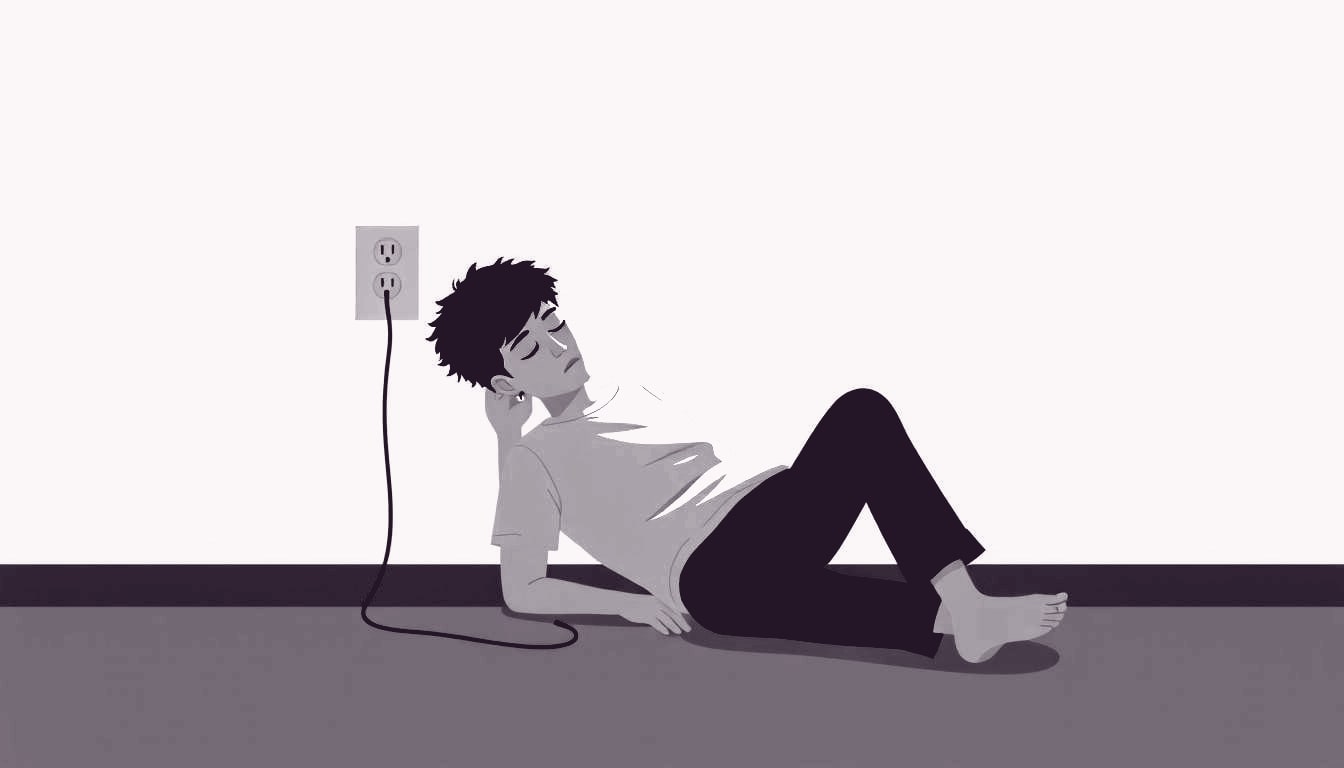
You walk into a bright room filled with chatter, name tags, and a line of drinks. It’s your first professional mixer, and you feel a mix of excitement and nerves. You smile, exchange a few business cards, and try to remember names. As the night goes on, the noise rises, conversations jump from topic to topic, and you find yourself reaching for a quiet corner to catch your breath. By the time you step outside, your shoulders feel heavy and your mind is foggy. The event was a success on paper, but you feel completely drained.
That feeling of emptiness after a social event is common, especially for people who gain energy from solitude rather than crowds. Your body has been working hard to stay present, to listen, and to keep up with the fast pace of networking. When the lights dim and you head home, you might notice a lingering fatigue that feels more like an emotional hangover than simple tiredness. Understanding why this happens can help you plan better recovery steps for the next time you attend a similar gathering.
Why networking can feel exhausting
Networking events ask you to be on display for long stretches. You must remember your own story, ask thoughtful questions, and read subtle social cues. Each of those tasks uses mental energy, and the constant need to stay engaged can quickly deplete your reserves. For introverted people, the brain works harder to process external stimuli, which can feel like running a mental marathon without a break.
In addition, the environment is often loud, bright, and full of unfamiliar faces. Your senses take in a flood of information, people moving, music playing, drinks clinking. Your nervous system reacts by staying alert, which raises heart rate and cortisol levels. When the event ends, those physiological responses do not switch off instantly, leaving you with a lingering sense of fatigue that can last hours after you leave.
Common signs of energy drain
You might notice a tightness in your chest, a headache, or a feeling that your thoughts are moving in slow motion. Your conversation skills may feel rusty, and you could find yourself avoiding eye contact or speaking in a softer voice than usual. Even simple tasks like checking email or making a phone call can feel overwhelming for a while after the event.
Another sign is a strong desire to be alone. You may crave a quiet room, a soft blanket, or a favorite book to reset your mind. This need for solitude is not a sign of weakness; it is your body’s way of restoring balance after a period of high social demand. Recognizing these signals early can help you take the right steps to recover faster.
Take the quick Introversion/Extroversion quiz now to discover how you recharge best.
Take the Introversion/Extroversion testPost‑event recharge checklist
Start with a brief cool‑down period. Walk to a quiet space, breathe deeply for a minute, and stretch your shoulders. Next, hydrate with water or a calming herbal tea. Then, eat a light snack that includes protein and complex carbs, such as a handful of nuts and a piece of fruit. Follow that with a short walk outside if weather permits, or simply sit near a window and watch the sky. Finally, give yourself at least thirty minutes of screen‑free time, read a few pages, journal, or practice gentle meditation before you tackle any work tasks.
Each step in the checklist supports a different part of your recovery. The cool‑down lowers adrenaline, while hydration replaces fluids lost during conversation. A balanced snack stabilizes blood sugar, preventing a crash later. Fresh air and gentle movement increase oxygen flow, which helps clear mental fog. The screen‑free period protects your brain from additional stimulation, allowing it to settle into a restful rhythm. By following these actions consistently, you’ll notice a quicker return to your normal energy level.
Understanding your social style
Your reaction to networking events is linked to where you fall on the introversion‑extroversion spectrum. This trait is one of several measurable patterns this site has a short self‑assessment for. By taking a quick quiz, you can see whether you naturally recharge alone or through social interaction, and you’ll receive personalized tips that match your style.
Knowing your position on this spectrum can guide how you plan future events. If you learn that you lean toward introversion, you might schedule downtime before and after gatherings, choose smaller venues, or set a limit on the number of conversations you aim to have. If you discover a more balanced style, you can experiment with different networking formats to see what feels most comfortable.
Putting it into practice
Before your next mixer, review the recharge checklist and decide which steps you will do right after the event. Pack a water bottle, a small snack, and a notebook for quick reflections. Set a reminder on your phone to take a short walk or a breathing break as soon as you leave the venue. These small preparations turn recovery into a habit rather than an afterthought.
Remember that feeling drained does not mean you are not good at networking. It simply means your brain and body need time to reset. By honoring that need, you will show up more present, listen better, and make stronger connections. Each event becomes a learning experience, and over time you’ll find a rhythm that lets you enjoy professional gatherings without the lingering exhaustion.
Take the quick Introversion/Extroversion quiz now to discover how you recharge best.
Take the Introversion/Extroversion test