How Mental Overload Shows Up at Work
4 min read
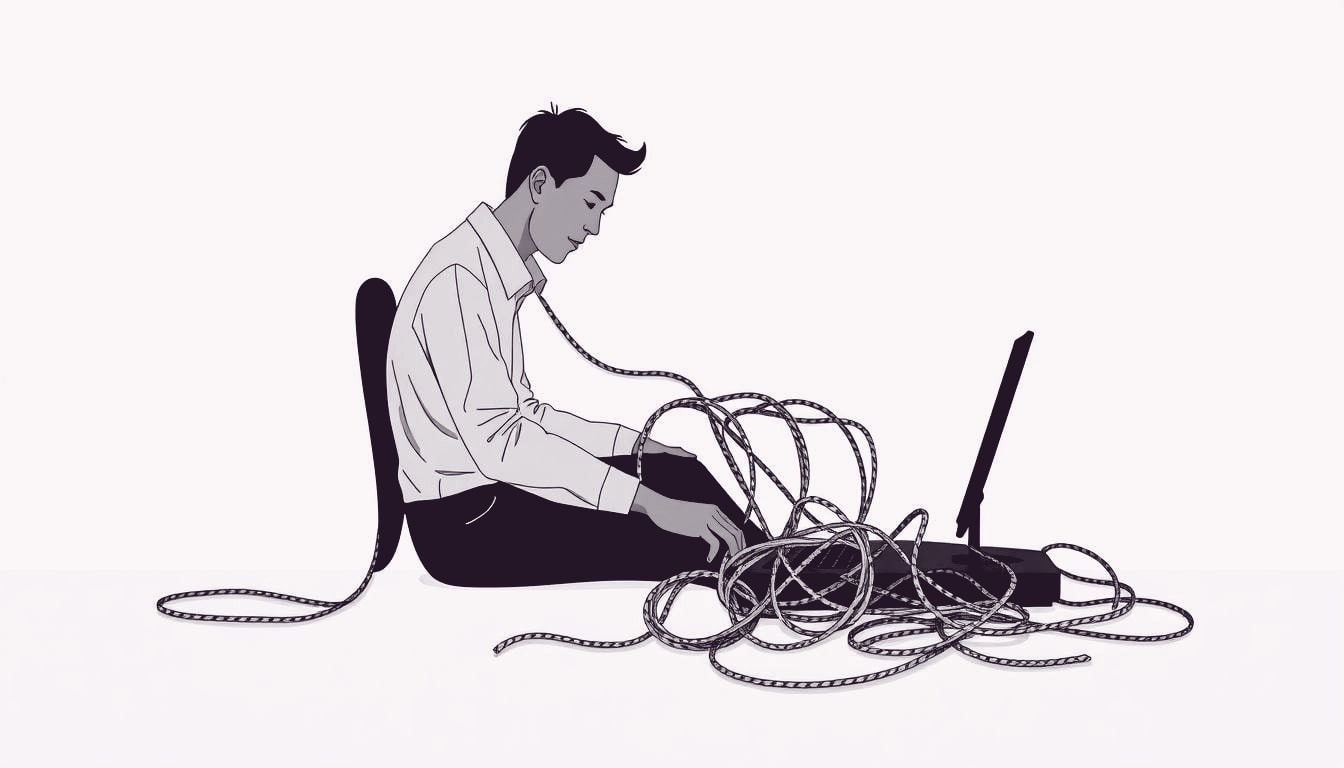
Mental overload happens when the brain receives more information than it can comfortably handle. At work this can feel like a constant buzz of tasks, emails, and conversations that never seem to stop. The mind tries to keep up, but it can become strained. When the load grows too large, focus slips and stress rises. Recognizing the signs early can help you stay productive and keep good relationships with coworkers.
Workplaces often expect fast results and constant communication. Those expectations can push anyone toward overload. The pressure can be invisible, but its impact shows up in missed details, hurried replies, and fatigue at the end of the day. Understanding how overload plays out in everyday situations lets you spot patterns before they become bigger problems. Small adjustments can protect your well being while still meeting job demands.
When Meetings Stack Up
Imagine a Monday morning filled with back‑to‑back meetings. You join a team huddle, then a client call, and finally a project update. Each session adds new data, requests, and deadlines. Your mind tries to store every point, but the rapid flow leaves little room for reflection. By the end of the hour you feel mentally crowded, and you may miss a key detail that was mentioned early.
One strength of this pattern is the ability to absorb many viewpoints quickly. You can bring a broad view to the discussion and suggest several options. However, the overload can also cause friction. You might speak quickly, interrupt others, or appear scattered. Colleagues may feel unheard, and the meeting can lose focus. Recognizing the balance helps you use your broad intake without overwhelming the group.
Juggling Tight Deadlines
Later in the week you receive a sudden deadline for a report due by Friday. The task sits on top of an already full inbox. You start breaking the work into tiny steps, checking email, drafting sections, and revising as you go. The pressure builds as the clock ticks. Your brain toggles between multiple tasks, trying to keep each piece moving forward.
A common strength here is the ability to work fast under pressure. You can produce drafts quickly and meet the deadline. Yet the overload may cause you to skip a review step or ignore a small error. The final product might need extra polishing later, costing time. Being aware of this trade‑off lets you plan a brief pause for a quick check before you finish.
One practical way to lower overload is to use the Pomodoro technique. Set a timer for 25 minutes and focus on a single part of the report. When the timer ends, take a five‑minute break to stretch or drink water. This rhythm keeps the brain from staying in high‑gear for too long and helps you finish each piece with clearer thinking.
Take the Mental Overload self‑assessment now to see how you score.
Take the Mental Overload testInteractions With Managers
During a weekly check‑in, your manager asks how the project is progressing. You feel a rush of thoughts: the tasks you’ve completed, the obstacles you face, and the next steps you’ve planned. You start listing everything at once, hoping to be thorough. The manager nods, but the rapid flow can be hard to follow.
Your detail‑oriented nature can be an asset. You notice small risks and bring them to the conversation early. On the flip side, the overload may make you sound defensive or overly cautious. Your manager might interpret the extra information as lack of confidence. Balancing concise updates with your thoroughness can improve the dialogue and keep both sides aligned.
Balancing Strengths and Friction
Mental overload is just one of several measurable patterns this site has a short self‑assessment for. The quiz can help you see where you fall on the overload spectrum. Knowing your score gives you a clearer picture of how the trait shows up in daily work. It also points to simple strategies that fit your style. Using the results, you can build on your strengths while easing the friction points.
Try a simple habit this week: before you start a new task, pause for one minute and write down the top two priorities. Keep the list visible on your desk. When a meeting or email threatens to add more, refer back to the list and ask if it aligns with those priorities. This quick check can stop extra load from spilling over. Over time the habit helps your brain stay organized and reduces the feeling of being constantly overloaded.
Talking with a trusted colleague about your workload can also ease overload. Share what’s on your plate and ask for feedback on what can be delegated. Often a fresh perspective spots tasks that are not essential. Collaboration reduces the mental load and builds a supportive team environment.
A Small Step to Try This Week
Choose one afternoon this week to create a 15‑minute buffer between meetings. Use that time to clear your notes, take a short walk, or simply breathe. The pause gives your mind a chance to reset before the next demand arrives. You may notice sharper focus and less mental chatter during the following tasks.
A tiny change can make a big difference in how overload feels at work. Keep an eye on your energy and notice when you start to feel crowded. Adjust the habit as needed and stay kind to yourself. Small steps add up, and you’ll find a smoother rhythm in your day.
If you enjoy technology, try a simple app that reminds you to pause. Set it to pop up after every two hours of screen time. The gentle nudge can reinforce the habit you are building and make the pause feel natural.
Take the Mental Overload self‑assessment now to see how you score.
Take the Mental Overload test