Understanding Mental Overload: What It Is and Isn't
5 min read
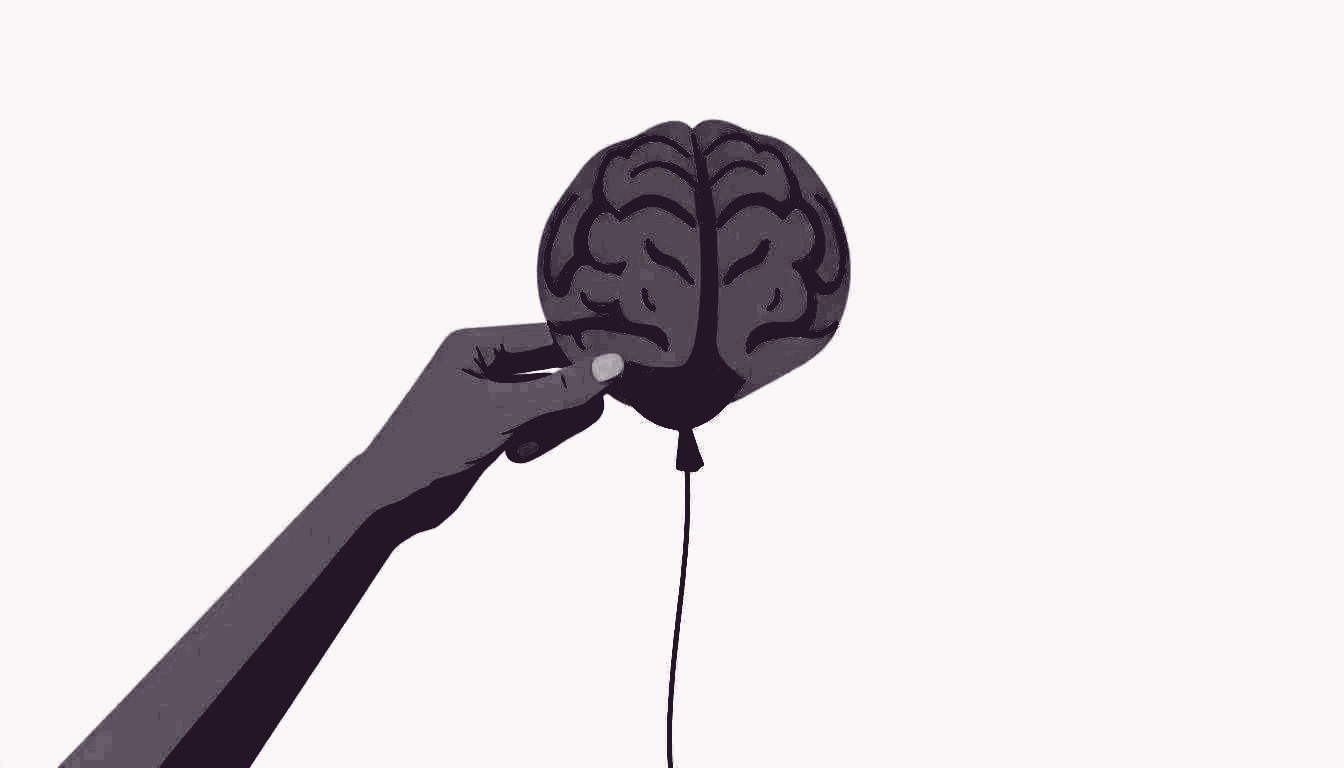
Many of us feel like our minds are packed to the brim. It can happen after a long day of work, scrolling through news, or juggling several tasks at once. This feeling is often called mental overload. It is not a diagnosis, but a normal response when the brain receives more input than it can process comfortably. Recognizing that this experience is common can reduce the shame or worry that sometimes comes with it. You are not alone, and the feeling will pass with a few simple changes.
Understanding mental overload helps us see it as a signal, not a flaw. The brain uses this signal to tell us we need a break, a shift, or a slower pace. When we listen, we can protect our energy and keep daily life smoother. Ignoring the signal can lead to more fatigue, irritability, or mistakes, which only deepens the overload.
What Mental Overload Really Is
Mental overload is the sensation of having too many thoughts, tasks, or information competing for attention at once. It feels like a mental traffic jam, where ideas get stuck and nothing moves forward easily. It is different from anxiety or depression, though those conditions can make the feeling worse. Overload is about capacity – the brain’s limited ability to hold and sort information at any given moment. When that capacity is exceeded, we notice it as mental fog, slowed thinking, or a sense of being "swamped."
The feeling can appear suddenly, such as after a meeting packed with new data, or build up over days of constant multitasking. It does not mean you are weak or incapable. Instead, it reflects a natural limit of human cognition. By naming the experience, we can start to manage it rather than let it control us.
Common Triggers You Might Not Notice
Often, we blame big events for mental overload, but everyday habits add up. Switching between emails, messages, and tasks without a pause creates hidden pressure. Constant notifications, background news, and even a cluttered workspace feed the brain with unrelated cues. Lack of regular breaks, especially during long screen time, also pushes the mind past its comfortable threshold. Simple habits like checking your phone while working or trying to remember a grocery list while on a conference call can quietly build stress. Recognizing these small triggers is the first step toward easing the load.
Another frequent trigger is information overload. Reading multiple articles, watching videos, or scrolling through social feeds in one sitting floods the mind with new facts and opinions. When we do not give ourselves time to process, the brain stores the data without sorting it, leading to confusion later. Even well‑meaning activities like planning a vacation or budgeting can become overwhelming if we try to handle every detail at once.
Ready to see how much mental overload you might be carrying? Take our short self‑assessment today.
Take the Mental Overload testSigns That Often Slip By
Physical signs of mental overload can be easy to miss. A low‑grade headache, unexplained fatigue, or tension in the shoulders may show up before you notice any mental strain. You might also find yourself reaching for caffeine more often, hoping it will boost focus, only to feel jittery afterward. These bodily cues are the brain’s way of asking for rest. Mental signs include forgetting simple appointments, losing the thread of a conversation, or feeling unusually irritable over minor issues. These symptoms can look like normal stress, but they often point to an overloaded mind.
This pattern is one of several measurable traits that our site offers a short self‑assessment for. Paying attention to these signs can help you decide when to pause and reset. Simple self‑checks, like noting how often you feel scattered or how quickly you need a break, can give you a clearer picture of your mental load.
Gentle First Steps to Lighten the Load
Start with a micro‑break. Step away from screens for two minutes, stretch, or look out a window. Small pauses give the brain space to sort information and reduce the feeling of being stuck. Next, try a single‑task focus. Choose one activity and set a timer for 15 minutes, allowing yourself to give full attention to that task only. When the timer ends, note how you feel and then move on. This practice trains the mind to handle one thing at a time, easing the pressure of multitasking.
Another easy step is to externalize thoughts. Write down lingering ideas, to‑do items, or worries on a piece of paper. Seeing them outside your head can free up mental space for the task at hand. Finally, create a simple routine for ending the day: dim lights, limit screen use, and practice a few deep breaths. These low‑effort habits build a buffer against overload and make it easier to return to a calm, focused state.
Ready to see how much mental overload you might be carrying? Take our short self‑assessment today.
Take the Mental Overload test