Common Myths About Mental Overload
3 min read
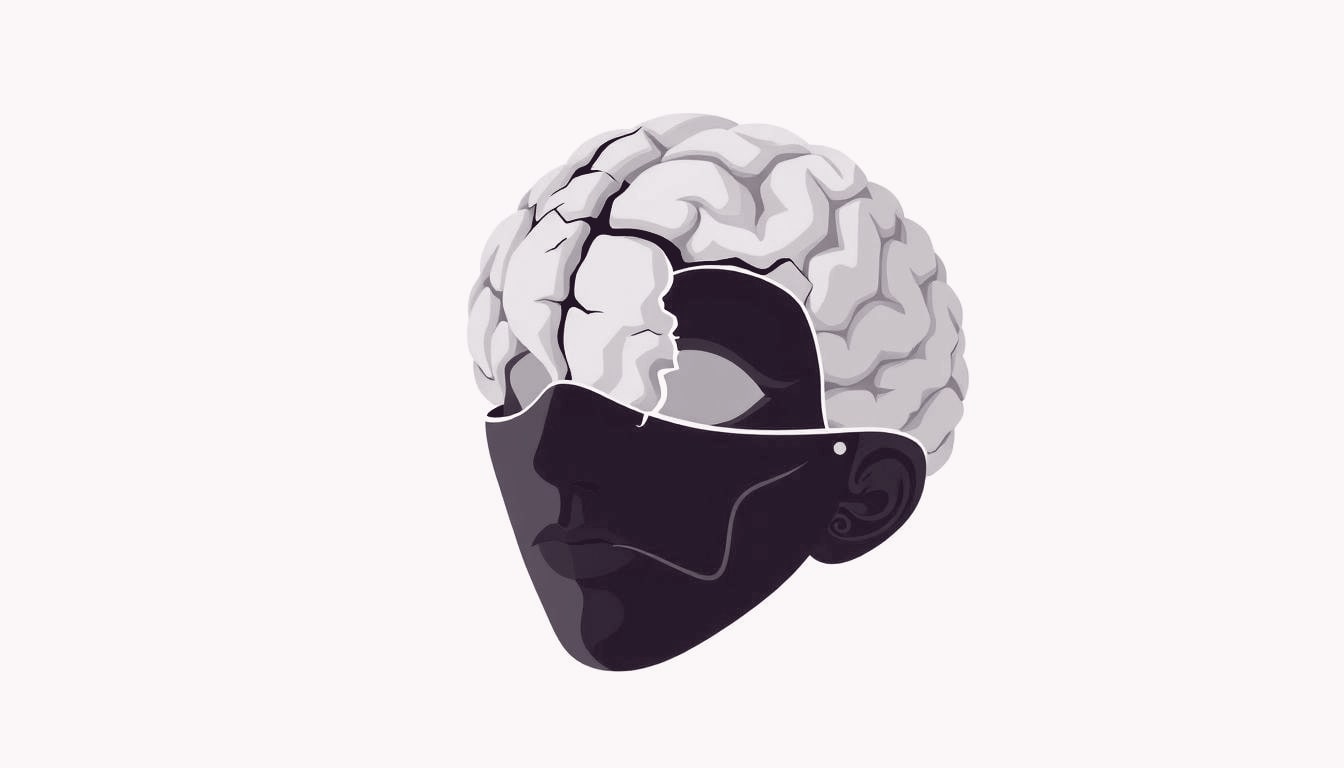
Mental overload feels like a brain that is full and can’t take in any more information. It can happen when you have too many tasks, too many decisions, or too much stress at once. Psychologists describe it as a temporary limit on how well the mind can process new input. When that limit is reached, you may feel foggy, irritable, or unable to focus on anything else. Recognizing the signs is the first step toward easing the pressure.
Myth 1: Only Busy People Get Overloaded
A common belief is that mental overload only happens to people with jam‑packed schedules. In reality, anyone can experience it, even those with light workloads. The brain’s capacity is limited, and a sudden surge of information or emotion can push it past that limit. A quiet day can still bring overload if you face a big decision, a stressful conversation, or a sudden change. It is not a badge of productivity, but a signal that the mind needs a break.
Understanding this helps you see overload as a normal response, not a sign of failure. It reminds you to check in with yourself, even on days that look calm on the outside. Simple habits like short pauses, breathing exercises, or stepping away from screens can restore balance before the pressure builds too high.
Myth 2: Overload Means You’re Weak
Some think that feeling mentally overloaded means they are weak or not coping well. Psychologists view it as a natural reaction to excessive demands, not a personal flaw. The brain works like any other organ; it can tire when it is asked to do too much at once. Feeling overwhelmed is a cue that the current load is higher than the brain can handle comfortably. It does not reflect your character or ability to succeed.
When you treat overload as a warning rather than a judgment, you can respond with care. You might reorganize tasks, ask for help, or give yourself extra rest. These steps protect your mental health and keep you effective over the long run.
Take the short Mental Overload self‑assessment to see how you’re doing today.
Take the Mental Overload testMyth 3: You Can’t Recover Once Overloaded
Another myth says that once you hit mental overload, you are stuck in a fog forever. In fact, the brain can recover with the right support. Short breaks, sleep, and gentle activities help restore processing capacity. Psychologists note that recovery is faster when you reduce the number of new inputs and give the mind time to consolidate what it already knows. It is also why this trait is one of several measurable patterns this site has a short self‑assessment for. The assessment can give you a quick picture of where you stand and suggest simple steps to improve.
Using the feedback, you can try small changes such as a walk, a brief meditation, or a shift in your task list. Over time these habits build resilience, making it easier to bounce back after a demanding period. The key is to act early, before the overload deepens.
Myth 4: Multitasking Solves Overload
Many believe that juggling several tasks at once will speed things up and lower overload. Research shows the opposite: the brain switches focus, which uses extra energy and can increase stress. When you try to do many things together, each task receives less attention, and mistakes become more likely. Multitasking can actually push you closer to the overload threshold, not away from it. It is better to handle one important task at a time, then move to the next.
A simple way to practice this is to set a timer for a single activity, work on it without interruption, and then take a short pause. This method reduces the mental load and often leads to higher quality results. It also gives your brain clear start‑and‑stop points, which help prevent the feeling of constant pressure.
Myth 5: More Coffee Will Fix It
Caffeine is often seen as a quick fix for mental overload. While a cup of coffee can boost alertness for a short period, it does not address the underlying overload. In some cases, too much caffeine can increase anxiety and make the brain feel even more crowded. The temporary lift may also mask fatigue, leading you to push through without giving the mind a chance to rest. Over time, reliance on caffeine can interfere with natural recovery cycles.
A healthier approach is to combine gentle hydration, brief movement, and a moment of quiet breathing. These practices support the brain’s natural ability to reset without the side effects of excess caffeine. If you do enjoy coffee, consider limiting it to one or two cups early in the day and pairing it with a short walk or stretch.
Take the short Mental Overload self‑assessment to see how you’re doing today.
Take the Mental Overload test