When Retirement Slows Down: Managing Anxiety and Finding Rhythm
3 min read
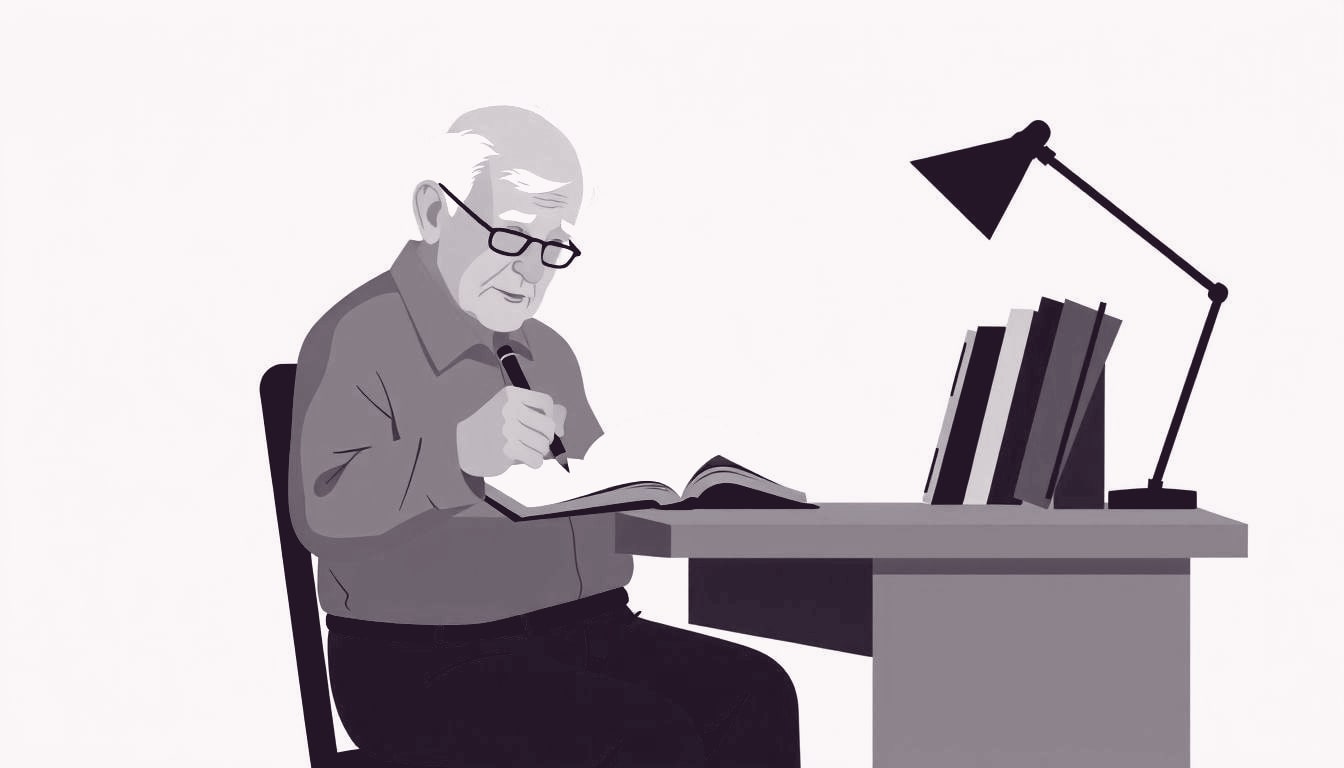
Retirement can feel like stepping onto a new road that has no traffic lights. One day you are busy with meetings, commutes, and deadlines. The next day the alarm does not ring, and the hours stretch out like a quiet river. The change can be exciting, but it can also leave you wondering how to fill the space that used to be full. When the days seem empty, a subtle nervous feeling may appear, even if you did not expect it.
That nervous feeling is often called anxiety, but it does not mean you are sick. It is simply a signal that something in your life has shifted. Without a clear schedule, the mind can start to focus on what is missing. You might notice a tight chest, a racing thought, or a restlessness that makes it hard to sit still. Recognizing these signs is the first step toward feeling more at ease in your new routine.
Adjusting to a new rhythm
When you stop working, the structure that once guided your day disappears. You no longer have a set time to get dressed, drive, or attend a lunch break. This loss of external cues can make it hard to decide when to eat, exercise, or relax. Your body may still be tuned to an old schedule, and the mismatch can create a low‑grade tension that feels like anxiety.
Creating a gentle routine can help bridge the gap. Start with a simple habit, such as a short walk after breakfast or a cup of tea at a set hour. The habit does not need to be rigid; it only needs to give your day a gentle anchor. Over time, these anchors can turn into a rhythm that feels natural, and the nervous edge often begins to fade.
The quiet can bring hidden worries
In the quiet moments, thoughts that were once drowned out by work noise can rise to the surface. You might wonder if you will stay useful, if you will lose purpose, or if you will become isolated. These worries are normal, but they can amplify the feeling of anxiety when there is no distraction. The mind can replay past mistakes or imagine future problems, creating a loop that feels hard to stop.
Notice when these thoughts appear, and try not to judge them. Simply naming them, ‘I am thinking about purpose’, creates a small distance. That distance can lower the intensity of the feeling. You may also find that talking with a friend, joining a club, or volunteering gives you a fresh perspective and breaks the loop of repetitive worry.
Take the Anxiety Awareness test to learn more about your feelings and find helpful next steps.
Take the Anxiety Awareness testAnxiety as a clue
Anxiety is not a flaw; it is a clue that something in your life needs attention. It can point to a missing connection, an unexpressed desire, or a habit that no longer serves you. By listening to the clue, you can explore new activities, relationships, or ways to care for yourself. This exploration can turn nervous energy into motivation for positive change.
This trait is one of several measurable patterns this site has a short self‑assessment for. The assessment can help you see how often you feel anxious and what situations tend to trigger it. Knowing your pattern can make the feeling less mysterious and give you clear ideas for small adjustments.
Start a daily journal
A simple way to track anxiety and its triggers is to keep a short journal. Each evening, write down the time you felt uneasy, what you were doing, and any thoughts that came up. You do not need long sentences; a few bullet points are enough. Over a week, patterns often emerge, showing you what times of day or activities are linked to the nervous feeling.
Use the journal as a gentle space, not a judgment zone. If you notice a pattern, think of one tiny change you could try, perhaps a five‑minute stretch before bed or a phone‑free breakfast. Write that idea next to the entry. In a few weeks you can look back and see which changes helped calm the mind and which need more tweaking.
Small steps forward
Retirement is a big transition, but it does not have to be overwhelming. Start with one small habit, observe how it feels, and adjust as needed. Celebrate the moments when you feel calm, even if they are brief. Each calm moment builds a foundation for more confidence in your new life stage.
Remember that anxiety is a normal part of change. By noticing it, journaling about it, and trying tiny adjustments, you give yourself tools to move forward. You have the chance to shape a retirement that feels purposeful and peaceful, one gentle step at a time.
Take the Anxiety Awareness test to learn more about your feelings and find helpful next steps.
Take the Anxiety Awareness test