How Self-Esteem Shows Up With the People You Love
4 min read
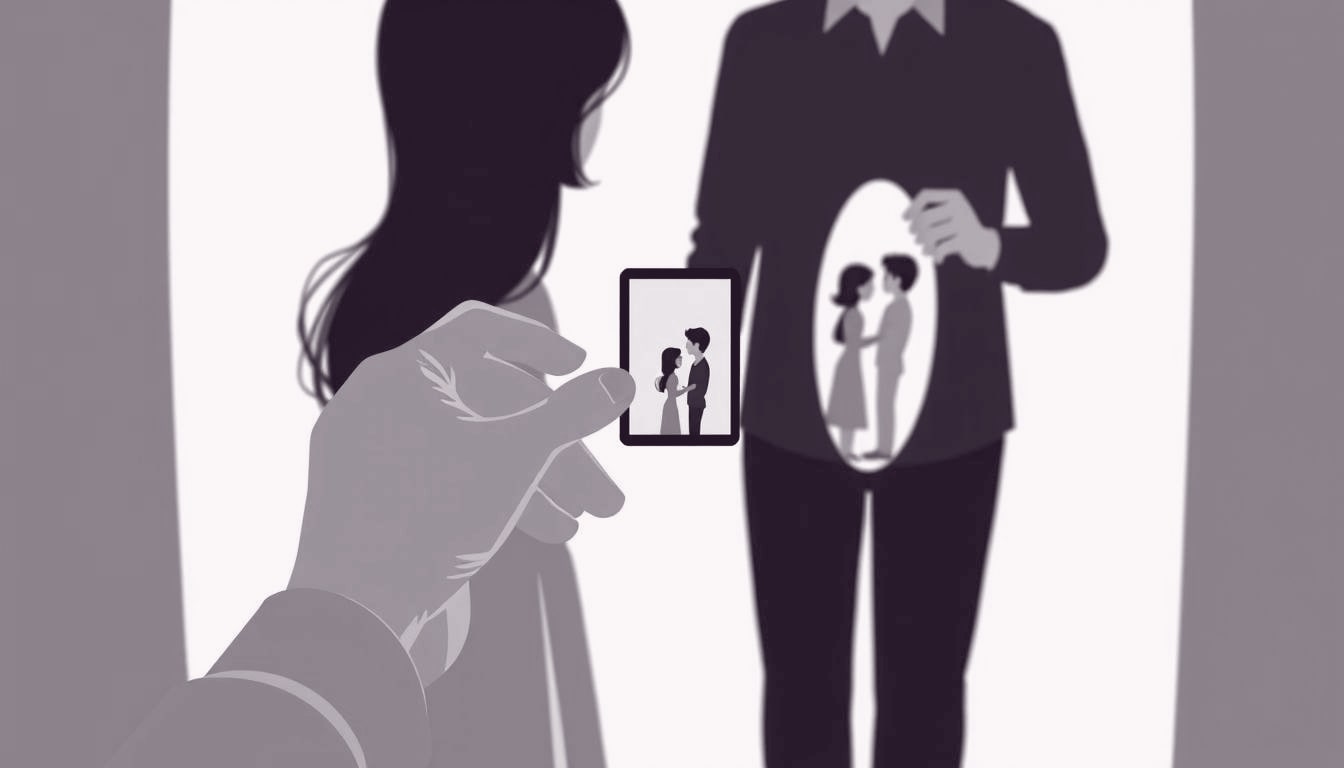
Self‑esteem is the way we feel about ourselves. It can shape how we act, speak, and relate to others. When we notice a pattern in our thoughts, it often shows up in the people we love. Understanding that pattern can help us feel safer and more connected. This article looks at how self‑esteem shows up with a partner, close friends, and family. It also offers a gentle way to start a conversation about it.
You do not need a therapist to notice these clues. Simple everyday moments can reveal a lot. By paying attention, you can see when low self‑esteem is driving a reaction. You can then share what you see without blame. The goal is to grow together, not to fix anyone. Below are three common scenes that illustrate how the same inner feeling can look different for each person involved.
Each relationship type has its own rhythm. A partner shares daily life, friends share activities, family shares history. The same self‑esteem pattern can appear in each rhythm, but the meaning shifts. Recognizing the shift helps you respond with care rather than frustration. It also shows that you are not alone; many people notice similar patterns in their own circles. The steps below will guide you through everyday scenes and give you tools to talk openly.
With a Partner
Imagine a quiet Friday night. Alex prepares a simple pasta for Sam. While stirring the sauce, Alex worries the meal will not taste good enough. Sam notices the hesitation and asks, “Do you want help?” Alex replies, “I’m fine,” but the tone sounds tight. Later, Sam feels that Alex’s mood is about the food, not the relationship. In reality, Alex’s low self‑esteem about cooking is coloring the whole scene.
In this case the inner doubt is about skill, not love. Sam can respond with curiosity instead of assumption. A gentle reply such as, “I notice you seem nervous about the sauce. Is there something on your mind?” invites Alex to share. When Alex opens up, Sam can reassure, “I love the effort you put in. We can cook together if you like.” This simple exchange turns a hidden worry into a shared moment.
With Close Friends
A group of four friends chats about a weekend hike. Maya suggests a trail that is a little longer than usual. When Jenna hears the plan, she sighs and says, “I’m probably not fit enough for that.” The others pause, thinking Maya might have pushed too hard. Jenna’s comment comes from a belief that she is not capable, not from the actual difficulty of the trail.
Jenna’s self‑esteem about fitness is spilling into the group plan. A friend can ask, “What part of the hike feels tough for you?” This invites Jenna to name the specific worry. The group can then suggest a shorter segment or a rest stop. By focusing on the feeling, not the judgment, the friends keep the plan fun and supportive. The conversation also shows that each person’s inner story can shape how a simple outing looks.
Take a quick Self-Esteem Assessment to see how you feel and start a caring conversation today.
Take the Self-Esteem Assessment testWith Family
During a Sunday dinner, Maya’s mother shares a story about a job interview she missed. She says, “I wish I had been more confident then.” Maya, who is in high school, frowns and replies, “You always think you’re not good enough.” The comment feels like a criticism, even though the mother was simply reflecting on her past. Maya’s low self‑esteem about achievement is echoing the mother’s words, turning a memory into a tense moment.
The family can ease the tension by naming the feeling. A sibling might say, “I hear you both feel uncertain about the past.” Then the mother can add, “I’m proud of what I learned, even if I felt unsure.” Maya can respond, “I hear that you felt unsure, and it helps me see I’m not alone.” This simple sharing creates space for each person’s self‑esteem story without blame.
Why the Same Pattern Feels Different
Self‑esteem lives inside each person. When one partner worries about cooking, the other may read that as a sign of disinterest. When a friend doubts fitness, the group may see it as a lack of commitment. When a teen hears a parent’s reflection, it can feel like a judgment. The same inner doubt shows up in different roles, so the impact changes with each relationship.
Because these patterns repeat, they can be measured. Self‑esteem is one of several measurable patterns this site offers a short self‑assessment for. The quiz gives you a snapshot of how you view yourself in everyday life. Knowing your score can help you see where the pattern shows up most often. It also gives you language to talk about the feeling with the people you care about.
A Simple Conversation Starter
Pick a calm moment when you are both relaxed. Begin with an “I” statement, such as, “I have noticed I feel nervous when I think I might not be good enough.” Then ask, “How do you feel when you see me act that way?” Listen without interrupting. Reflect back what you heard, for example, “It sounds like you feel worried that I am pulling away.” This back‑and‑forth keeps the tone gentle.
After you talk, you may want a clearer picture of your self‑esteem. Taking a brief assessment can give you numbers to discuss. It also lets you track changes over time. When both partners, friends, or family members try the quiz, you can compare notes and support each other’s growth. The shared insight often turns a hidden worry into a joint project for better connection.
Take a quick Self-Esteem Assessment to see how you feel and start a caring conversation today.
Take the Self-Esteem Assessment test