Understanding Stress and Burnout: What It Is and Isn't
5 min read
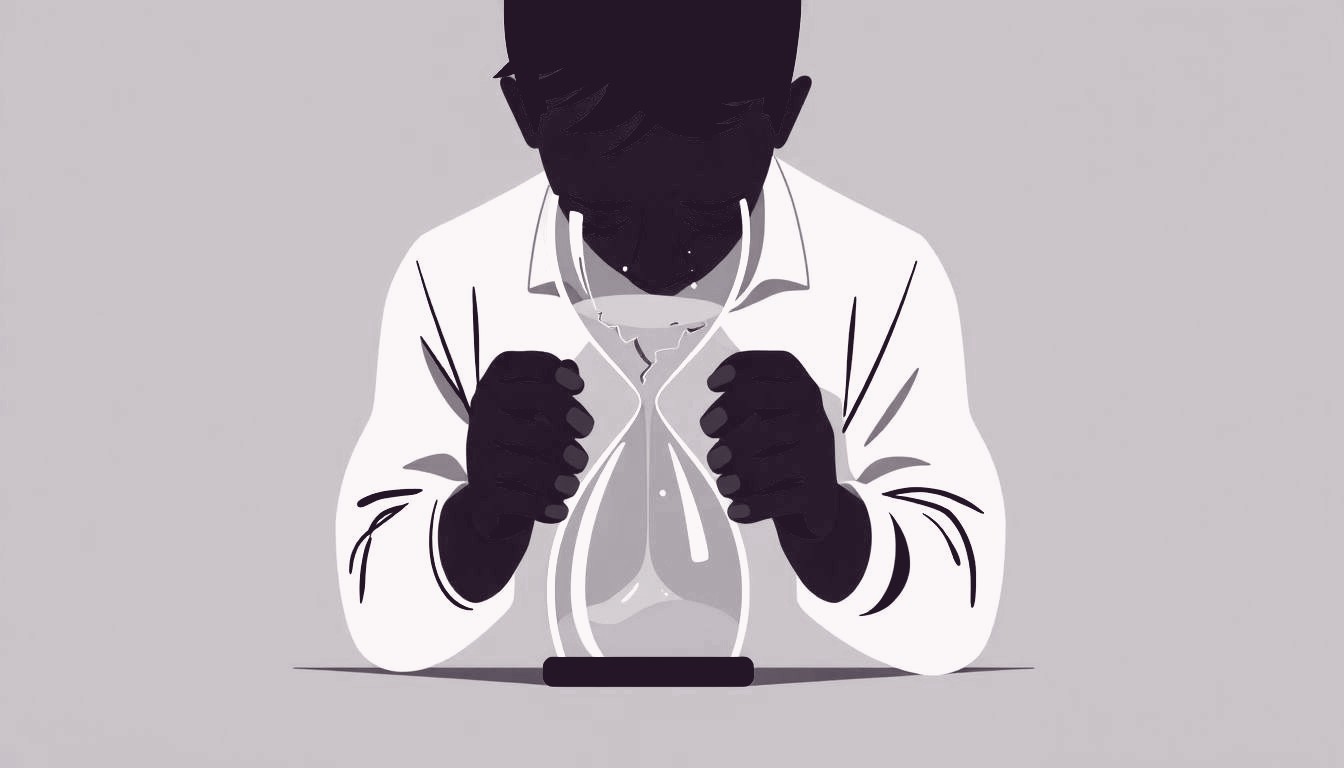
Stress is a normal response to a challenge. It can help you focus and act quickly. When the challenge is short, the body releases chemicals that give you energy. This feeling is useful for a few minutes or a few days. It is not a sign of weakness. Most people feel stress at work, school, or during a big change. The body’s reaction is natural and can be helpful when it is brief.
Burnout looks like stress that never ends. It builds up when pressure stays high for weeks or months. The energy that stress gives starts to fade. You may feel empty, detached, or unable to enjoy things you liked before. Burnout is not just feeling tired after a long day. It is a deeper sense of exhaustion that affects mind and body. Recognizing the difference helps you choose the right steps to feel better.
Common Triggers
Work is the most frequent source of pressure. Tight deadlines, long meetings, and unclear expectations can raise stress quickly. When you feel you cannot meet the demand, anxiety grows. The same can happen in school or during a job search. Even a busy commute can add to the load. All of these factors can turn into burnout if they stay constant over time.
Home life also brings strong triggers. Money worries, family arguments, or caring for a sick relative can wear you down. Health concerns, whether yours or a loved one’s, add a steady strain. Major life events like moving or divorce create a sense of loss of control. When these pressures pile up, the mind stays in a high‑alert mode. Over time the body stops recovering, and burnout can begin.
Hidden Signs
Physical clues are easy to miss. A constant headache, an upset stomach, or a feeling of tightness in the chest can be stress‑related. You might notice you sleep more or less than usual. Small changes in appetite or frequent colds can also point to chronic pressure. These signals are the body’s way of saying it needs a break.
Emotional and mental signs are subtler. You may feel irritable over minor issues or lose patience quickly. A sense of numbness or detachment from friends and hobbies often appears. Thoughts can become negative, and you might doubt your abilities. Memory and concentration may slip, making everyday tasks feel harder. Noticing these patterns early can stop them from growing.
Ready to see how stress may be affecting you? Take our quick Stress & Burnout self‑assessment now.
Take the Stress & Burnout testStress vs. Burnout
Stress usually spikes and then fades. It is linked to a specific event and often improves with rest. Burnout, on the other hand, feels like a slow drain that does not lift even after a weekend. Energy is low, and motivation disappears. You may feel cynical about work or life in general. Understanding this shift helps you choose actions that match the problem.
Stress and burnout are one of several measurable patterns we explore with a short self‑assessment. This quick quiz can give you a clearer picture of where you stand and suggest simple ways to move forward.
Gentle First Steps
Start with microbreaks. Pause for a minute every hour to stretch or breathe deeply. Inhale for four counts, hold for four, exhale for four, then repeat. This simple rhythm lowers heart rate and clears the mind. A short walk outside, even for five minutes, adds fresh air and movement, which can reset tension quickly.
Next, look at sleep and hydration. Aim for a regular bedtime and limit screens before sleep. Drinking water throughout the day supports energy and reduces headaches. Set a small boundary, like saying no to one extra task each week. Small changes add up and give your body space to recover from constant pressure.
Next Steps
Keep a brief journal of how you feel each day. Write down what caused a spike in stress and how you responded. Over a week you may see patterns that point to specific triggers. Sharing these notes with a trusted friend or family member can bring fresh perspective and support.
When you feel ready, try our short Stress & Burnout self‑assessment. It can help you understand your current state and point toward next actions. If the results suggest deeper concerns, consider talking to a professional for personalized guidance.
Ready to see how stress may be affecting you? Take our quick Stress & Burnout self‑assessment now.
Take the Stress & Burnout test