Is Work Satisfaction Quietly Holding You Back?
7 min read
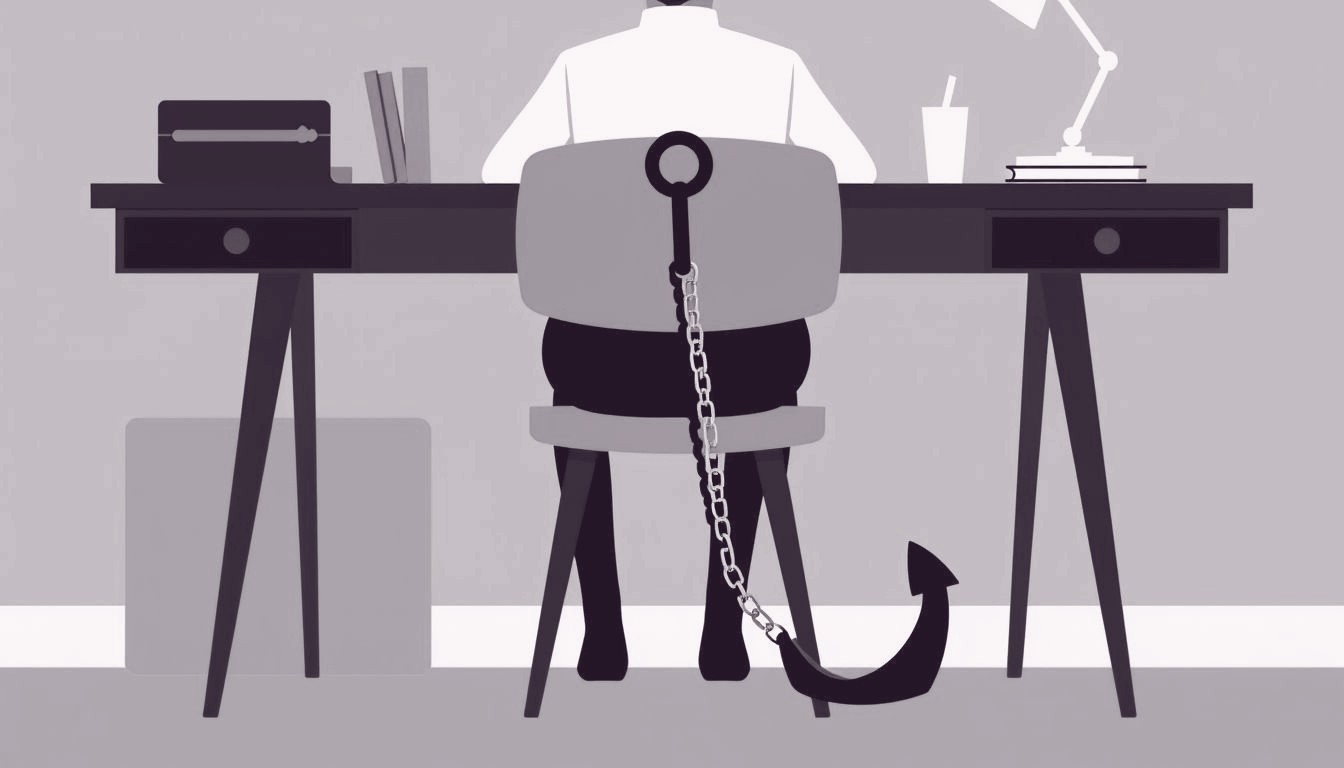
When you feel good about your job, the rest of your day often feels lighter. Small wins at work can lift your mood, help you focus, and spill over into home life. On the flip side, a quiet sense of dissatisfaction can drain energy even if the tasks themselves are not hard. That hidden feeling can shape how you interact with friends, how much you enjoy hobbies, and how rested you feel at night. Recognizing the link between work satisfaction and overall well‑being is the first step toward change.
Many people think they have reached a stable point at work and stop looking for improvement. They may accept a routine that feels safe but does not excite them. Over time, this acceptance can become a plateau that limits growth and happiness. It is easy to mistake comfort for contentment, especially when external pressures push you to stay the course. Understanding that a modest shift in attitude or habit can reopen a sense of purpose is key to moving forward.
What Work Satisfaction Looks Like
Work satisfaction is the feeling you get from daily tasks, relationships with coworkers, and the sense that your effort matters. It includes how clear your goals are, how much autonomy you have, and whether you receive recognition. When these pieces fit together, you notice a steady sense of achievement. When they do not, you may feel restless or disengaged, even if you are meeting deadlines.
The impact reaches beyond the office. Satisfied employees tend to report better sleep, lower stress, and more energy for family or personal projects. Dissatisfaction can show up as irritability, procrastination, or a lack of enthusiasm for activities outside work. By paying attention to these signals, you can see how your job mood is echoing through other parts of your life.
Why It Can Plateau
One common reason for a plateau is a lack of clear feedback. Without knowing what you are doing well or where you could improve, you may settle into a routine that feels safe but stagnant. Another factor is limited growth opportunities. When promotions or new challenges are scarce, motivation can wane, and satisfaction may level off.
External pressures also play a role. Financial needs, family responsibilities, or a fear of change can keep you in a job that no longer excites you. Over time, the brain adapts to the routine, and the initial excitement fades, leaving a quiet sense of “just getting by.” Recognizing these forces helps you decide whether to adjust your mindset or seek new options.
Ready to see how you feel about your work? Take the short assessment now.
Take the Work Satisfaction testEasy Ways to Raise It
Start with a quick gratitude habit. Each day, write down one work‑related thing that went well, no matter how small. This simple act trains your mind to notice positive moments and can shift your overall outlook within weeks.
Next, add a tiny stretch of autonomy. Ask your manager if you can own a small project or choose how to complete a routine task. Even a modest increase in control signals trust and can boost your sense of contribution. Pair this with a brief check‑in with a colleague to share progress and receive informal feedback.
Track Your Change
To see if these steps are working, keep a short log of your mood before and after work for a week. Note any patterns that emerge, such as higher energy after a gratitude note or after completing an autonomous task. Small data points can reveal trends that feel invisible in daily life.
Work satisfaction is one of several measurable patterns this site offers a short self assessment for. Seeing a score can motivate you to keep experimenting with new habits.
Ready to see how you feel about your work? Take the short assessment now.
Take the Work Satisfaction test